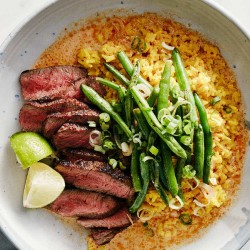



Beef Rendang with Lemongrass, Kaffir Lime, and Yellow Rice
Main Dish • Beef
Source: Plated recipe box subscription
Already have Recipe Keeper?
Ingredients
- Rendang, an Indonesian dish typically served at festive occasions, can take hours to make, as it involves slowly braising meat in an aromatic coconut broth until all of the liquid is absorbed. Chef Suzanne's version takes a few method shortcuts without sacrificing any of the flavor or great kitchen smells—leaving a creamy curry sauce fragrant with tropical kaffir lime leaf, ginger, and citrusy lemongrass to spoon over perfectly seared steak.
- Indonesian staple rendang was created as a way to preserve beef, long before the invention of your refrigerator, by cooking it slowly in coconut milk and aromatics until all of the liquid is absorbed. Tonight's no-less-flavorful version keeps the creamy, fragrant sauce on the plate. It's all soaked up by rice infused with turmeric, an earthy spice with a vibrant yellow color believed to have anti-inflammatory health benefits.
- spice mix:
- 2 tsp. turmeric
- 1/2 tsp. onion powder
- 3/4 cup jasmine rice
- 1 1/4 cups water
- 8 oz. green beans
- 1 lime, divided
- 1/2 oz. ginger
- 1 shallot
- 1 scallion
- 1/2 oz. lemongrass
- 2 steaks
- 1/2 tbsp. red curry paste
- 1 14-ounce can lite coconut milk
- 2 kaffir lime leaves
- kosher salt
- black pepper
- 1 1/2 tbsp. canola oil
Directions
- 1. Cook Yellow Rice
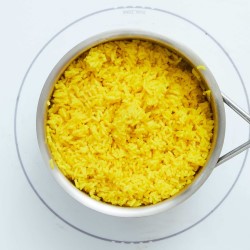
- Heat ½ tablespoon canola oil in a small pot over medium heat. When oil is shimmering, add spice mix and rice and stir to coat rice, 1-2 minutes. Add 1¼ cups water and ¼ teaspoon salt, and bring to a boil over high heat. Stir once, reduce heat to medium low, cover, and simmer for 15 minutes. Remove pot from heat and let stand, still covered, for 10 minutes. Fluff rice with a fork, then cover again to keep warm.
- 2. Prepare Ingredients
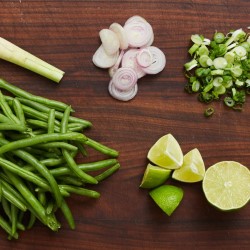
- While rice cooks, rinse green beans and trim and discard ends (quick prep hack: line up all the ends and trim together!). Halve lime, then cut 1 half into 4 wedges and set aside for serving. Trim and discard skin of ginger. Peel shallot and thinly slice into rings. Rinse scallion, trim and discard root, and thinly slice. Using the back of a knife, hit lemongrass in several places—bruising the herb releases its citrusy aroma and flavor.
- 3. Sear Steaks
- Pat steaks dry with paper towel and season all over with ½ teaspoon salt and pepper as desired. Heat ½ tablespoon canola oil in a medium pan over medium-high heat. When oil is shimmering, add steaks and sear until browned and medium rare, 3-5 minutes per side. Transfer steaks to a plate, cover loosely with foil, and set aside.
- 4. Sauté Aromatics
- Heat ½ tablespoon canola oil in a separate medium pan over medium heat (it's best to use a new pan here so that your sauce can reduce properly in Step 5, without burning). When oil is shimmering, add shallot and sauté, stirring, until softened, 2-3 minutes. Stir in curry paste to combine, about 1 minute more. Curry paste is a little spicy—you could use less, but it's what really flavors this dish!
- 5. Simmer Rendang Sauce
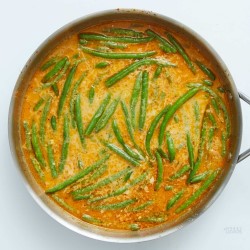
- Add coconut milk, kaffir lime leaves, whole knob ginger, and lemongrass to pan with shallot. Bring to a boil over high heat, then reduce to medium high and simmer until reduced by half, about 5 minutes. Remove and discard lime leaves, ginger, and lemongrass from sauce (see Recipe Tip). Stir in green beans to warm through, 2 minutes more. Season with ½ teaspoon salt and pepper. Remove pan from heat, squeeze over juice of ½ lime, then set aside.
- 6. Plate Beef Rendang
- Cut steaks against the grain into ¼-inch slices (finding the direction of the muscle fibers and cutting across it, rather than parallel, ensure tenderness). Serve with yellow rice and spoon over rendang sauce. Garnish with scallion and serve with lime wedges for squeezing over. Dig in!
Notes
- Coconut milk solids naturally separate from the liquids during transit. No worries—it will come together during cooking.
- Kaffir lime leaves, whole ginger, and lemongrass release flavor and aroma into the sauce while it simmers, but they aren't for eating!Remove and discard them before cooking the green beans.
Photos